
Water Is Economic Development: Lessons from the Wye
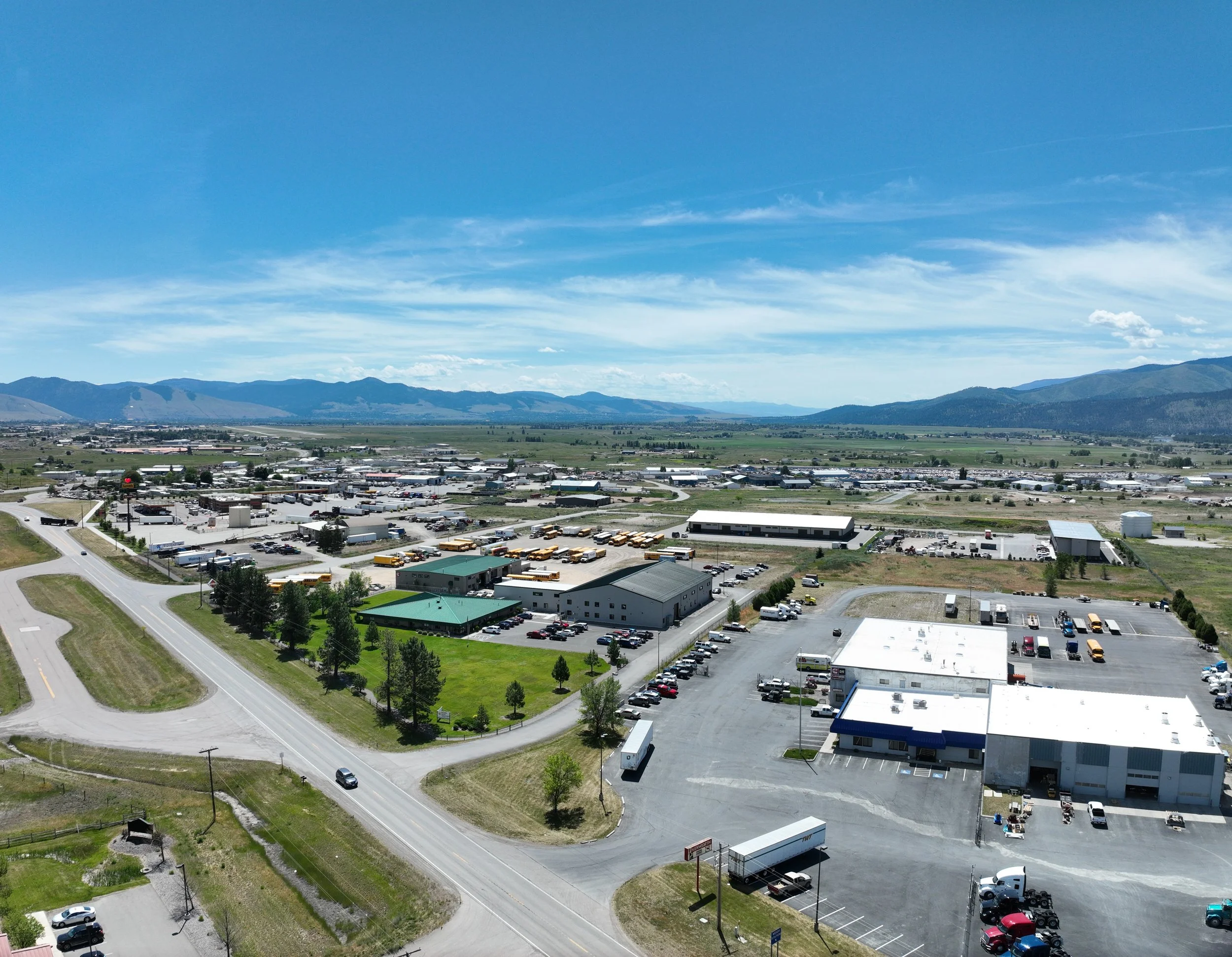
Community and economic resilience begin with infrastructure. In places like Missoula County's Wye area, water capacity directly influences what can be built, where investment can occur, and how quickly communities can respond to opportunity. As businesses, housing, and industry look to expand, reliable water service becomes more than a utility need. It becomes a defining factor in economic development, land use, and long-term community competitiveness.
At the Wye, that connection is becoming increasingly clear. A new water system delivered through a public-private partnership between Grass Valley Industrial Subdivision and Missoula County is changing the area's development trajectory. This single infrastructure investment reflects more than 15 years of planning, infrastructure studies, economic development initiatives, and collaboration among public agencies, private landowners, and community stakeholders.
For WGM Group (WGM), the project also demonstrates the value of long-term, place-based infrastructure planning. Through years of work in the Wye area, WGM has helped local partners identify infrastructure needs, evaluate growth opportunities, and develop strategies that connect land use, funding, and implementation. That groundwork positioned the County and its partners to move quickly when private investment and public infrastructure priorities aligned.
For decades, development in the Wye occurred incrementally without cohesive water, wastewater, transportation, or stormwater systems. Water service relied primarily on private wells, which could not provide the volume or reliability required for industrial fire flow or higher-intensity uses. The result was a development pattern shaped by system limitations: buildings stayed below fire suppression thresholds, site utilization remained constrained, and industrial users faced higher risk and insurance costs. Over time, land was absorbed by lower-intensity uses that matched available capacity rather than the community's long-term goals.
These constraints affected individual projects and limited the community's ability to attract employers, support job creation, and implement the long-term vision established through County planning efforts. Drawing from more than 20 years of planning, design, infrastructure implementation, and economic development work in the Wye, WGM developed a detailed understanding of the area's constraints, opportunities, and growth objectives. That long-term knowledge became especially important as the conversation shifted from identifying infrastructure needs to implementing a solution. Through the adopted Wye Infrastructure Plan, WGM helped establish a comprehensive roadmap for water, wastewater, transportation, and utility improvements, creating a practical framework for coordinated investment and future development.
The technical need for expanded water infrastructure was well established through planning and analysis. The remaining question was delivery: how and when infrastructure could be implemented on a meaningful scale. Two major development projects created the alignment needed to advance the solution. In 2024, Montana Knife Company and Grass Valley Industrial Subdivision were advancing projects that required industrial-scale water service and fire protection. At the same time, Missoula County, with support from WGM, had already established the Wye 2 Targeted Economic Development District (TEDD) in 2023, creating a mechanism to fund public infrastructure through tax increment financing.
WGM played a significant role in advancing the Wye TEDD as part of a broader strategy to support sustainable growth in one of Missoula County's emerging employment and industrial centers. Addressing the Wye's infrastructure challenges required technical planning and a framework that connected long-term infrastructure priorities with practical funding and implementation tools. Building on experience gained through the creation of the Bonner West Log Yard TEDD in Bonner and similar efforts throughout western Montana, WGM worked with County staff, landowners, and economic development partners to document infrastructure deficiencies, identify eligible expenditures, build stakeholder understanding, and support TEDD formation and expansion efforts. The result was a durable funding tool capable of translating long-identified infrastructure needs into actionable public investment.
This sequence was critical. The TEDD was grounded in documented infrastructure needs, long-range planning objectives, early stakeholder alignment and future growth projections. As a result, Missoula County had a public financing framework in place before significant private investment occurred. When development opportunities emerged, the County and its partners were prepared to convert growth into infrastructure delivery, address long-standing constraints, and support strategic development consistent with the County's long-term land use vision.
"Infrastructure readiness is one of the most important factors influencing business attraction and expansion decisions. The investments being made at the Wye help position the area for long-term economic growth by creating the capacity needed to support employers, jobs, and future private investment."
— Missoula Economic Partnership
The $5.5 million Wye Water Project moved forward through a public-private partnership structured around shared timing, shared need, and shared public benefit. Private investment from developers initiated the construction of a new public water system, including a well, a 500,000-gallon storage tank, booster pumps, and distribution mains. Upon completion, Missoula County committed to ownership, long-term stewardship, operations and maintenance of the system, supported by TEDD funding and bond financing.
The system was intentionally designed as network-scale infrastructure rather than a standalone, site-specific extension. It serves current users while enabling future development, reducing the need for incremental upgrades tied to individual parcels. One of the clearest lessons from the project is the value of early collaboration among planners, funding partners, engineers, and builders. By engaging key disciplines from the beginning, the team moved from initial coordination in winter 2024 to a fully operational system in less than 18 months.
The completed system delivers benefits that extend far beyond utility service. Industrial developments gain greater resilience through reduced fire risk and stronger insurability, while businesses evaluating the area encounter reliable, scalable infrastructure that supports long-term investment and growth. County leaders gain greater confidence in land use planning and development decisions, and both public and private stakeholders can invest with increased certainty knowing that future capacity is understood and planned for. Just as importantly, the project advances community goals established through years of planning by creating infrastructure capable of supporting future jobs, expanding the local tax base, and accommodating growth in a coordinated and sustainable manner. The result is more than a new water system, it is a stronger foundation for economic opportunity, community vitality, and long-term competitiveness.
"This investment reflects Missoula County's commitment to planning for growth before infrastructure becomes a constraint. By partnering with landowners, developers, and community stakeholders, we are creating infrastructure that supports economic opportunity while advancing the County's long-term vision for the Wye."
— Missoula County
The conditions present at the Wye are not unique. Many growth areas face similar gaps between planned outcomes and system capacity. The determining factor is not whether those gaps exist, but whether communities are prepared to respond when opportunity arises.
The Wye area public-private partnership project highlights several lessons relevant to the AEC industry:
Long-term planning creates opportunities long before construction begins.
Infrastructure readiness supports economic resilience and sustainable growth.
Established funding tools help communities act when opportunities emerge.
Public-private partnerships can accelerate delivery while creating lasting public benefits.
Strong local partnerships produce better infrastructure outcomes.
Infrastructure, specifically water infrastructure, often establishes the ceiling for economic development. Where capacity aligns with long-term growth objectives, development can follow. At the Wye, coordinated action transformed a known constraint into a functional system that supports industrial expansion and advances Missoula County’s economic development strategy. The outcome reflects preparation, partnership, and the ability to deliver when opportunity emerges.
The communities that are best positioned to thrive in the coming decades will be those that anticipate growth, coordinate investment, and build critical systems before capacity becomes a constraint. Economic success is rarely accidental; it is shaped by preparation and sustained by infrastructure that can support both immediate opportunity and long-term community goals. At the Wye, that commitment has created a foundation for continued economic growth while helping ensure future development is strategic, resilient, and capable of serving generations to come.